Lahore: The Punjab government is formulating a new policy to revive the Non-Timber Forest Produce (NTFP) sector aimed at reducing rural poverty, empowering women, and strengthening the local economy.
Experts highlight that NTFP-related activities — including mushroom cultivation, sericulture, beekeeping, and herbal farming — can provide sustainable livelihoods for thousands of rural families. These industries can also help Pakistan achieve self-reliance in herbal medicine and natural cosmetics.
In Changa Manga, Fatima Bibi’s story reflects the potential of this sector. She sustained her family by raising silkworms, but after the discontinuation of provincial initiatives, she and many trained workers lost their income opportunities.
In 2021, the Punjab Forest Department launched a Rs 136 million project to train 2,000 people in NTFP fields. However, the project was terminated within a year, halting what could have created hundreds of thousands of jobs.
According to Dr. Zafar Siddiq of Government College Lahore, Pakistan has immense potential for cultivating plants like aloe vera, tulsi, kalonji, ajwain, and moringa, but continues to rely on imports from India. He suggests that training women in kitchen gardening could simultaneously improve income and health.
Deputy Director of Sericulture, Farooq Bhatti, stated that the department is currently working on silk farming with limited funds, while mushroom, honey, and herbal projects are in experimental phases. Japanese mulberry plantations have also begun for silk, medicinal, and craft purposes.
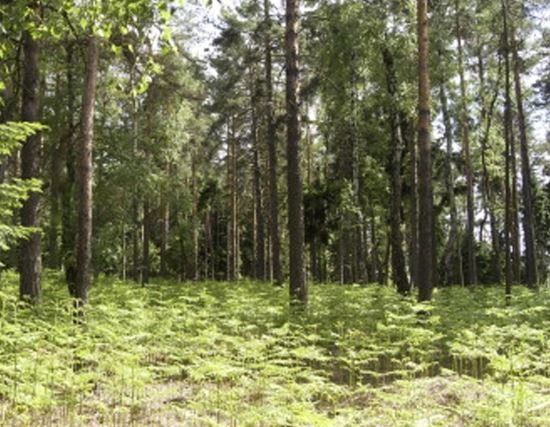
Director General of Forests, Azfar Zia, confirmed that a survey of 1.25 million acres of forest land has been completed to identify herbal resources and link nearby communities with non-timber forest income sources, reducing dependence on timber cutting.
Experts agree that consistent funding, long-term planning, and institutional support can transform NTFP initiatives into a sustainable source of employment for women, small farmers, and rural workers.